






Creating a calm and soothing evening routine can make a big difference in your overall well-being. Small changes to how you spend your time after work or before bed can help reduce stress, ease your mind, and improve the quality of your sleep. The good news is, you don’t need a complete overhaul to feel more relaxed—simple shifts can be enough to create a meaningful impact.
In this post, we’ll explore practical ideas to help you craft a calmer evening routine that fits your lifestyle.
Why a Calm Evening Routine Matters
Evenings often set the tone for how well you sleep, which impacts your energy and mood the next day. When your mind is busy or stressed, falling asleep can be difficult, and your rest may not be as deep or refreshing. Establishing a calming routine helps signal to your brain that it’s time to wind down, making it easier to relax and drift off.
Small Changes to Create Calm
1. Set a Consistent Bedtime
Going to bed at the same time every night helps regulate your body’s internal clock. Even if you can’t fall asleep immediately, being consistent trains your mind and body to expect rest at a certain hour. Try to set a bedtime that allows for 7-9 hours of sleep, and stick to it as closely as possible—even on weekends.
2. Dim the Lights
Around an hour before bed, start dimming the lights in your home. Bright light can interfere with your body’s production of melatonin, the hormone that helps you sleep. Using softer, warmer lighting signals that it’s time to relax.
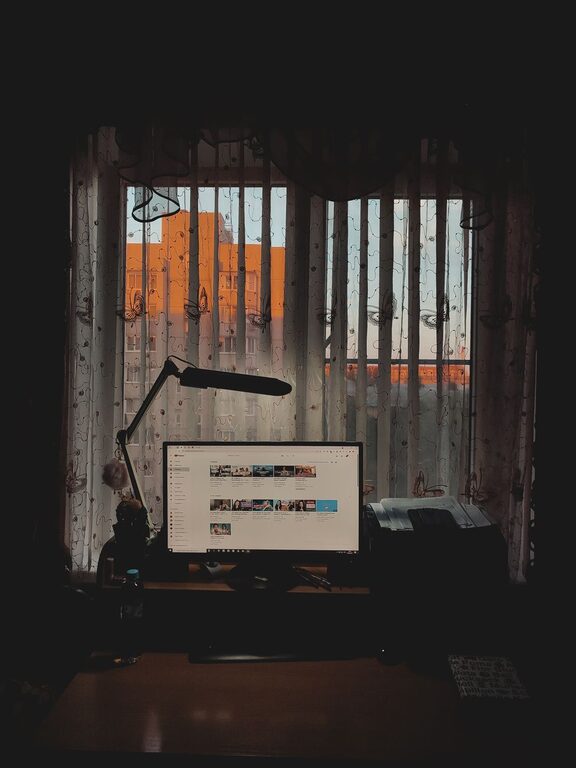
3. Power Down Screens
The blue light from phones, tablets, computers, and TVs can disrupt your natural sleep cycle. Try to avoid screens at least 30 minutes before bed. Instead, replace screen time with calming activities like reading a physical book, listening to soft music, or doing gentle stretches.
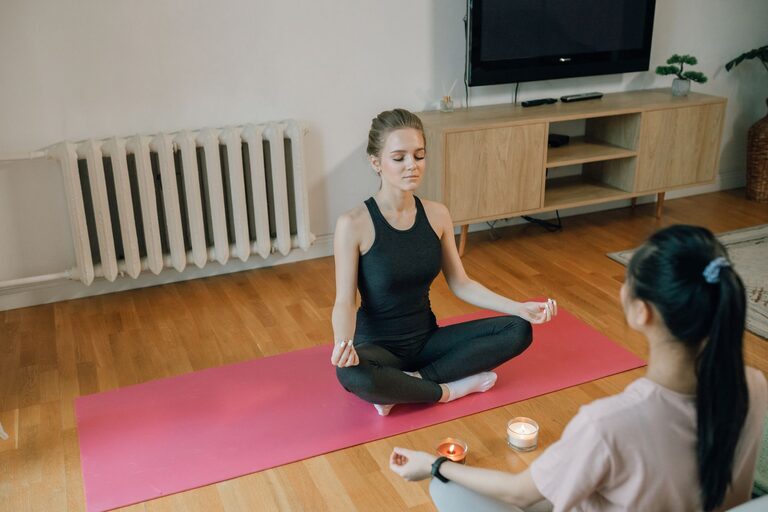
4. Create a Gentle Stretching or Yoga Routine
A short sequence of gentle stretches or yoga poses can help release tension from your muscles and calm your nervous system. Focus on slow movements and deep breathing. Even 5-10 minutes can make a noticeable difference in how relaxed you feel.
5. Practice Mindful Breathing or Meditation
Taking a few minutes to practice mindfulness or deep breathing exercises can clear your mind and reduce anxiety. Simple techniques like inhaling deeply through your nose for four seconds, holding for seven seconds, and exhaling slowly for eight seconds can promote calm.
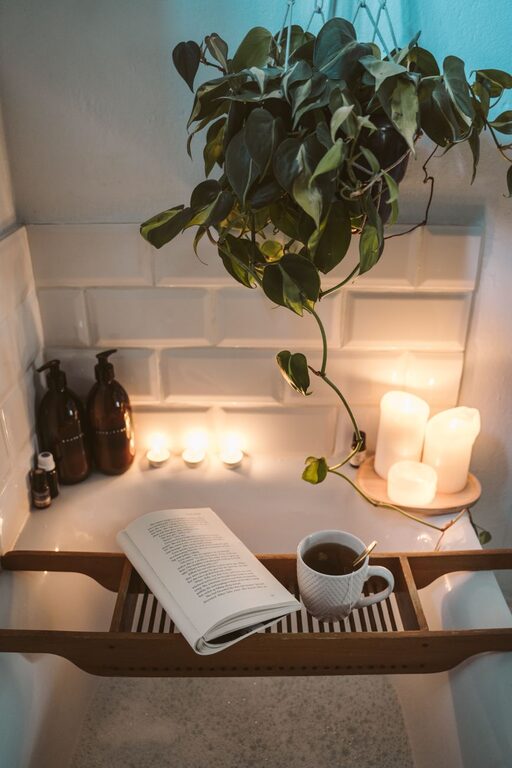
6. Enjoy a Warm, Caffeine-Free Drink
A cup of herbal tea, like chamomile or peppermint, or simply warm water with lemon can offer comfort in the evening. Avoid caffeine and sugary drinks, which can interfere with your ability to fall asleep.
7. Set Up a Cozy Environment
Your bedroom should be a sanctuary. Keep it cool, quiet, and dark. Consider blackout curtains, white noise machines, or earplugs if needed. Remove clutter to create a peaceful atmosphere that invites rest.
8. Limit Evening Activities That Cause Stress
Try to avoid work emails, difficult conversations, or stressful news reading right before bed. Set boundaries on when you stop engaging with demanding tasks. Instead, choose calming activities like journaling about positive moments from your day or reading light, uplifting content.
Sample Calmer Evening Routine
Here’s an example routine you might find helpful:
– 7:00 PM – Finish dinner and avoid heavy meals afterward
– 8:00 PM – Dim the lights and turn off screens
– 8:15 PM – Stretch or do gentle yoga
– 8:30 PM – Drink herbal tea and practice mindful breathing
– 8:45 PM – Read a book or write in a gratitude journal
– 9:15 PM – Prepare bedroom: adjust lighting, temperature, and noise
– 9:30 PM – Get into bed and allow yourself to relax
Adjust the timing and activities to suit your lifestyle and preferences.
Tips for Sticking to Your New Routine
– Start Small: Introduce one or two changes at a time rather than trying to overhaul your entire evening.
– Be Flexible: Life happens—if you miss a step or have a late night, simply return to your routine the next day without judgment.
– Keep It Enjoyable: Choose calming activities you genuinely enjoy, so the routine feels like a treat, not a chore.
– Track Your Progress: Notice how you feel after following your calming routine for a week or two. Positive changes can motivate you to keep going.
Final Thoughts
A calmer evening routine doesn’t require big changes or complicated rituals. By making small, intentional shifts in how you spend your evenings, you can promote relaxation, reduce stress, and improve your sleep quality. Over time, these little changes add up to create a more peaceful and restful end to your day.
Try picking a few of the ideas above and see how they work for you. Your mind and body will thank you!