






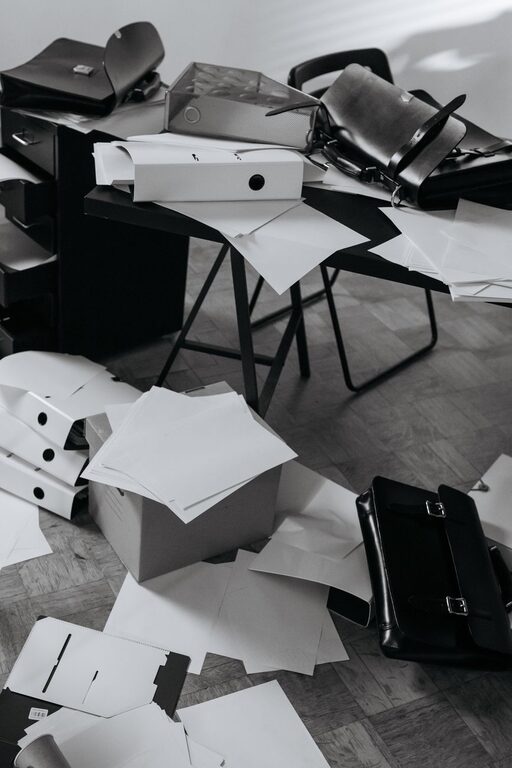
Paper clutter is a common challenge in many households. Bills, receipts, junk mail, school papers, and magazines can quickly pile up, leading to stress and disorganization. Fortunately, there are simple and practical steps you can take to reduce paper clutter and maintain a tidier home.
Why Reducing Paper Clutter Matters
Too much paper around the house can create a chaotic environment. It can be hard to find important documents when you need them and easy to overlook bills or invitations. Reducing paper clutter helps improve focus, saves time, and creates a more peaceful living space.
Start With a Clear Sorting System
Before you begin decluttering, set up a sorting system to organize papers into categories. Some common categories include:
– Bills and financial documents
– Receipts
– School or work-related papers
– Personal mail
– Magazines and catalogs
– Important documents (birth certificates, passports, etc.)
– Junk mail
Using labeled trays, folders, or boxes can help keep these categories separate and easy to manage.
Go Digital When Possible
One of the best ways to reduce paper clutter is to switch to digital versions of documents. Consider these steps:
– Opt for paperless billing and statements from your utility providers, bank, and credit cards.
– Scan important documents and save them securely on your computer or in a cloud storage system.
– Use apps designed to track receipts and warranties digitally.
– Switch to digital subscriptions for magazines and newspapers.
Going digital not only reduces clutter but also makes it easier to organize and access your documents.
Create a Daily Paper Routine
Paper clutter often builds up because papers are left unattended for days or weeks. Set aside a few minutes each day to sort through and handle mail and paperwork:
– Open mail and immediately recycle junk mail.
– File important papers in their appropriate folders.
– Pay bills as soon as they arrive or schedule online payments.
– Distribute relevant documents to family members.
This daily habit prevents piles from growing and keeps your system manageable.
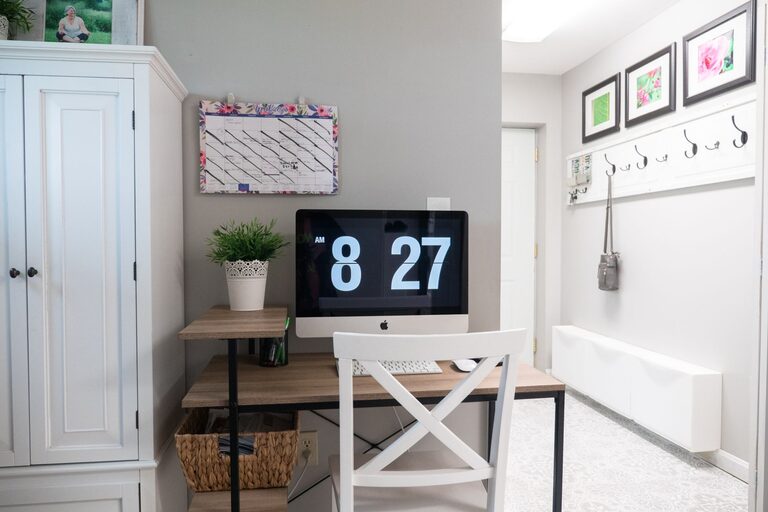
Use a Command Center
Designate a specific spot in your home as a paper command center. This area can hold:
– A mail sorter or inbox tray
– File folders for quick filing
– A calendar for important dates and deadlines
– Pens, sticky notes, and staples
Having one central location helps family members know where to place papers and reduces scattered piles around the house.
Regularly Purge Unnecessary Papers
Schedule regular times—such as once a month or seasonally—to go through your paper files and remove anything you no longer need:
– Shred or recycle old bills that have been paid and are no longer needed.
– Toss out duplicates such as old receipts or outdated coupons.
– Recycle magazines you’ve already read.
– Shred sensitive documents to protect personal information.
Keeping this habit ensures your filing system doesn’t become overwhelming.
Use File Folders and Labels
Invest in a filing system with clearly labeled folders or binders. Some tips for effective filing:
– Categorize by topic, date, or urgency.
– Use color-coded folders for quick identification.
– Keep frequently used folders within easy reach.
– Store less-used files in a filing cabinet or box.
Clear labels save time when searching for documents and encourage consistent filing.
Limit Paper Coming Into Your Home
Prevention is key. Try to reduce the amount of paper you bring home:
– Sign up for do-not-mail lists to reduce junk mail.
– Unsubscribe from catalogs and promotional materials you don’t want.
– Encourage schools and organizations to send papers electronically.
– Use reusable notebooks or apps for note-taking instead of paper.
By controlling what enters your home, you’ll have less clutter to manage.
Repurpose and Reuse Paper
Before recycling, see if you can repurpose paper for:
– Notepads for grocery lists or reminders
– Wrapping paper for small gifts
– Craft projects for kids or holidays
This can extend the life of paper and reduce waste.
Maintain the Habit for Long-Term Success
Reducing paper clutter is an ongoing process. Stick to these key habits:
– Manage paper daily.
– Go digital when possible.
– Purge regularly.
– Stay organized with a clear system.
With a little effort, you can enjoy a clutter-free home that feels calm and efficient.
—
Reducing household paper clutter doesn’t have to be overwhelming. By creating simple routines, using digital tools, and organizing effectively, you can keep your home neat and your mind clear. Start small and stay consistent — your future self will thank you!