







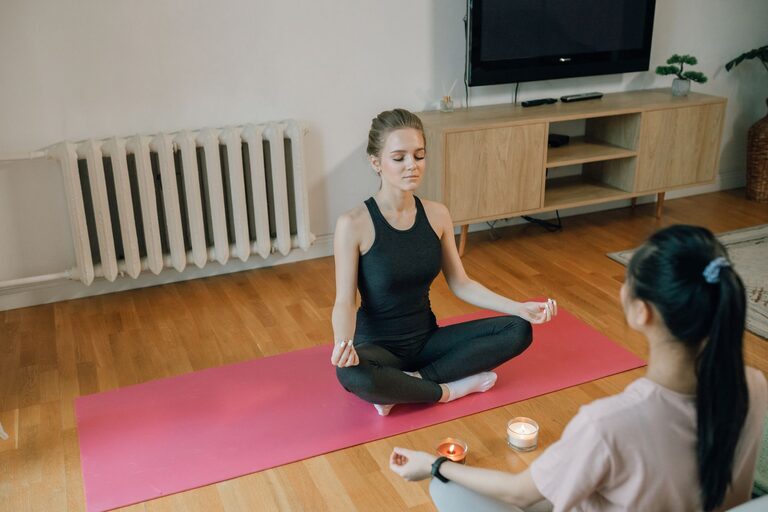
Taking mindful breathing breaks is a simple yet powerful way to bring calm and clarity to your day. Whether you’re working at a desk, managing household tasks, or just feeling overwhelmed, pausing to focus on your breath can help you reset and improve your mental well-being. If you’re new to mindfulness and breathing exercises, this guide offers beginner-friendly tips to get started easily and effectively.
What Is Mindful Breathing?
Mindful breathing means paying close attention to your breath as it moves in and out of your body. Instead of letting your mind wander or rushing through your day, you intentionally notice how your breath feels, its rhythm, and where you sense it most clearly—often in your nose, chest, or belly.
This simple practice helps anchor you in the present moment, reducing stress and promoting relaxation. It can be done anywhere, anytime, and only takes a few minutes to make a positive difference.
Why Take Mindful Breathing Breaks?
– Reduce Stress: Mindful breathing activates your body’s relaxation response, helping lower tension and anxiety.
– Improve Focus: A deep breath can clear mental clutter and sharpen concentration.
– Enhance Mood: Breathing with awareness can increase feelings of calm and happiness.
– Boost Energy: Taking a moment to breathe mindfully refreshes your mind and body.
Beginner Tips for Your Mindful Breathing Breaks
1. Find a Comfortable Spot
You don’t need a special place to practice mindful breathing, but it helps to start somewhere quiet and comfortable. Sit in a chair with your feet flat on the floor or find a cozy spot on a cushion or couch. Keep your back straight but relaxed.
2. Set a Time Limit
Start small. Aim for 2 to 5 minutes to practice mindful breathing. You can gradually increase the length as you become more comfortable. Setting a timer can keep you from checking the clock and help you stay focused.
3. Use a Simple Breathing Technique
Try this easy breathing method:
– Close your eyes gently.
– Take a slow, deep breath in through your nose to the count of 4.
– Pause briefly (for 1 or 2 seconds).
– Exhale slowly through your mouth or nose to the count of 4.
– Repeat this cycle for several breaths, paying close attention to each inhalation and exhalation.
4. Focus on the Sensations
Notice how the air feels cool as it enters your nostrils and warm as it leaves. Feel your chest or belly rise and fall with each breath. If your mind wanders—which it will—gently bring your attention back to these sensations without judgment.
5. Use Guided Support When Needed
If you find it hard to focus alone, try guided breathing exercises available via apps or online videos. These can provide helpful instructions and calming background sounds.
6. Incorporate Breathing Breaks Into Your Daily Routine
Set reminders on your phone or computer to pause for mindful breathing. Suitable times include:
– Before starting work or a meeting.
– After finishing a task or project.
– During breaks or lunchtime.
– When feeling stressed or overwhelmed.
7. Pair Mindful Breathing with Light Stretching
Adding gentle stretches while you breathe can enhance relaxation. For example, raise your arms slowly as you inhale and lower them as you exhale. This movement helps release physical tension alongside mental calm.
Troubleshooting Common Challenges
My Mind Keeps Wandering
This is normal, especially for beginners. Instead of getting frustrated, simply notice that your mind has wandered and kindly guide your focus back to your breath. Think of it as exercise for your attention.
I Feel Lightheaded or Dizzy
Breathe naturally and avoid forcing deep or rapid breaths. If dizziness continues, pause and return to normal breathing. Mindful breathing should feel gentle and comfortable.
I Don’t Have Time
Even short 1-minute breathing breaks can be beneficial. Choose moments like waiting in line or standing in an elevator to practice briefly.
Final Thoughts
Mindful breathing breaks are a simple, effective tool anyone can use to manage stress and improve well-being. With consistent, gentle practice, you’ll find it easier to stay present and navigate your day with calm and clarity. Remember, there’s no perfect way to do it—any mindful breath is a step in the right direction.
Give yourself permission to pause, breathe, and be kind to your mind and body. Your well-being will thank you!