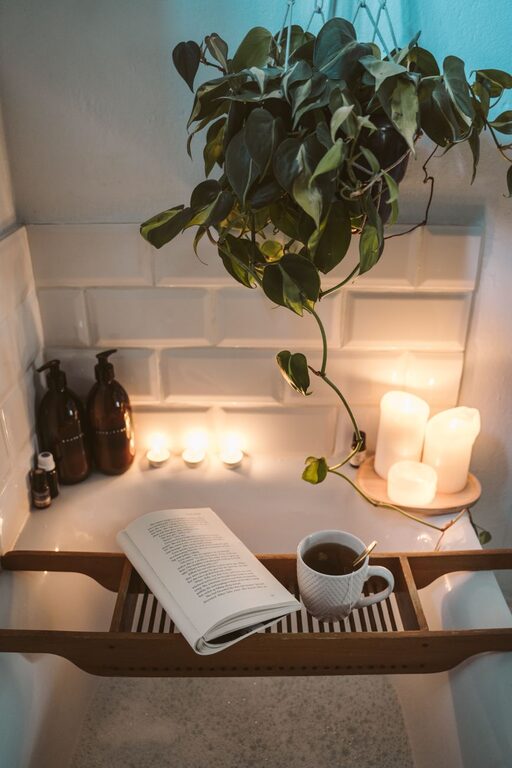







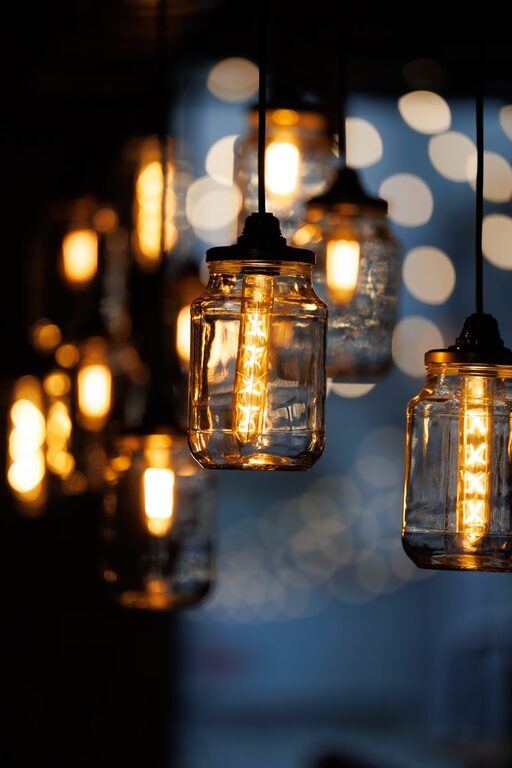
Creating a comfortable and inviting atmosphere in your home starts with the right lighting. Whether you’re reading, cooking, working, or relaxing, good lighting plays a key role in how you feel and function in your space. However, choosing the perfect lighting can be a bit overwhelming, given the variety of styles, brightness levels, and technologies available. In this post, we’ll explore helpful tips to guide you in selecting comfortable home lighting that suits your needs and complements your living space.
Why Comfortable Lighting Matters
Lighting affects more than just the look of your home—it can influence your mood, productivity, and even your sleep patterns. Harsh or poorly directed light can cause eye strain and discomfort, whereas soft, well-placed lighting can make your space feel welcoming and soothing. Comfortable lighting balances brightness with warmth and eliminates glare or shadows that can disrupt your activities.
Understand Your Lighting Needs
Before buying new fixtures or bulbs, take a moment to assess how you use each room:
– Living Room: Often used for relaxation and socializing, this space benefits from layers of light that can be adjusted for different activities.
– Kitchen: Requires bright, focused lighting for cooking and food prep, with additional ambient light for dining areas.
– Bedroom: Soft, warm lighting is ideal for winding down and creating a restful environment.
– Office/Study: Needs bright, focused lighting to reduce eye strain during reading or computer work.
– Bathroom: Bright, shadow-free lighting is important for grooming tasks like shaving or applying makeup.
Having a clear idea of your activities and preferences helps you choose lighting that feels comfortable and functional.
Choose the Right Light Bulbs
The type of bulb you select greatly impacts comfort. Here are some factors to consider:
Light Color Temperature
Measured in Kelvin (K), color temperature affects the warmth or coolness of the light:
– Warm Light (2700K–3000K): Gives a cozy, yellowish glow; perfect for living rooms and bedrooms.
– Neutral Light (3500K–4100K): Offers a balanced white light; works well in kitchens and workspaces.
– Cool Light (5000K–6500K): Produces a bluish tone; suitable for task lighting in offices or garages.
Warm light is generally considered more comfortable for relaxing spaces, while cooler light improves alertness and focus.
Brightness
Lumens measure brightness. For comfortable lighting:
– Living rooms: 1,500–3,000 lumens
– Kitchens: 4,000–8,000 lumens
– Bedrooms: 1,000–2,000 lumens
– Offices: 3,000–6,000 lumens
Adjust lighting in layers to avoid overly bright or dim spaces.
Bulb Type
Energy-efficient LED bulbs are recommended for their longevity, variety in color temperatures, and low heat emission. They also come in dimmable options that further enhance comfort.
Layer Your Lighting
Combining different types of lighting creates depth and flexibility:
Ambient Lighting
Provides general illumination and sets the room’s tone. Examples include ceiling fixtures, chandeliers, or recessed lights.
Task Lighting
Focused lighting for specific activities such as reading lamps, under-cabinet kitchen lights, or desk lamps.
Accent Lighting
Highlights architectural features, artwork, or plants. Examples include spotlights or wall sconces.
Using layers allows you to customize brightness and mood throughout the day.
Consider Dimmers and Controls
Installing dimmer switches lets you adjust light levels to suit various activities and times of day. This flexibility increases comfort and saves energy. Some modern lighting systems also offer smart controls, enabling you to change lighting with your phone or voice commands.
Mind the Direction and Placement
The way light falls impacts comfort. Try these pointers:
– Avoid placing lights directly in your eyes or behind screens to reduce glare.
– Use lampshades or diffusers to soften harsh light.
– Position task lighting to the side rather than directly overhead for reading or working.
– Utilize indirect lighting, such as wall washers or uplights, to create softer surroundings.
Experiment with placement to find the most comfortable setup for your space.
Match Lighting Style to Your Decor
While comfort is key, style also matters. Choose fixtures that complement your interior design to maintain a cohesive look. Whether you prefer modern minimalism, rustic charm, or classic elegance, there are countless lighting options to fit your aesthetic.
Maintain and Update Regularly
Dust and dirt can reduce lighting quality, so clean fixtures periodically. Also, be open to updating bulbs or adding new layers of lighting as your needs change over time.
Final Thoughts
Choosing comfortable home lighting is about more than just brightness—it involves selecting the right combination of color temperature, bulb type, fixture placement, and control options. By understanding your needs and experimenting with layers and settings, you can create a warm, well-lit home environment that supports your daily activities and enhances your well-being.
—
Feel free to share your lighting tips or ask questions in the comments below!