







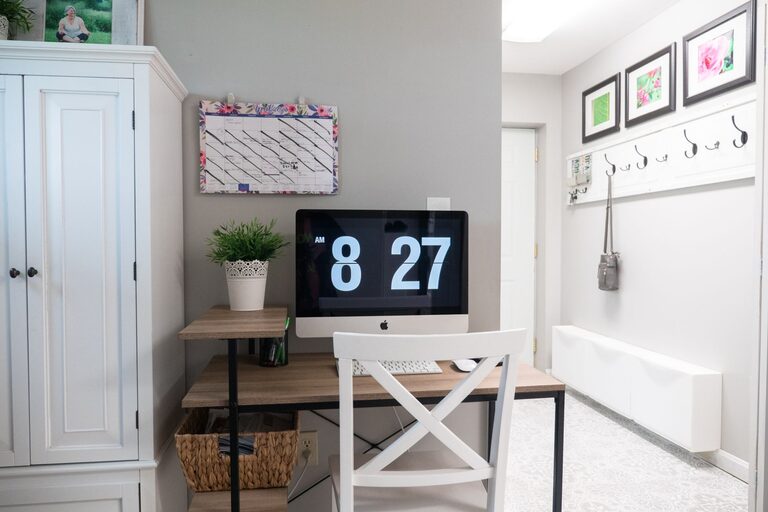
Creating a family command center is a fantastic way to keep your household organized and running smoothly. Whether you have kids with busy schedules or just want a central spot for calendars and important information, a command center helps everyone stay informed and prepared. In this guide, we’ll walk you through how to set up a family command center tailored to your needs.
What Is a Family Command Center?
A family command center is a dedicated space in your home where you organize calendars, to-do lists, mail, schedules, and important reminders. Think of it as your household’s operations hub, designed to simplify communication and reduce clutter.
Common places for command centers include the kitchen, mudroom, or near the front door—areas your family passes frequently.
Benefits of a Family Command Center
– Improved communication: Everyone knows what’s happening and when.
– Reduced stress: No more last-minute scrambling or forgotten appointments.
– Better organization: Mail, keys, and schedules have a specific place.
– Increased productivity: Tasks and chores are easier to track and complete.
Step 1: Choose the Right Location
Select a spot in your home that is accessible and visible to all family members. Popular options are:
– Kitchen wall near the breakfast table
– Entryway or mudroom
– Near the family desk or workspace
Make sure the space has enough room for what you plan to include, such as calendars, message boards, or storage.
Step 2: Decide What to Include
The contents of your command center depend on your family’s unique needs. Here are some common elements:
Calendars and Schedules
A large family calendar helps track appointments, school events, sports, and social activities. Consider:
– Wall calendars with color-coded assignments
– Magnetic calendars on a metal board
– Dry erase boards for quick updates
Message Center
A bulletin board or whiteboard for reminders, notes, and messages keeps communication flowing. You might want:
– Corkboard with push pins
– Magnetic dry erase board
– Chalkboard for a rustic touch
Mail Organizer
A spot to sort incoming and outgoing mail prevents clutter. Options include:
– Wall-mounted mail bins
– Small baskets or trays labeled “Incoming” and “Outgoing”
Key Hooks and Charging Station
Low hooks for keys keep them easy to find. Adding a charging station for phones and tablets can be a helpful addition.
To-Do Lists and Chore Charts
Track household tasks and responsibilities with simple charts or checklists pinned to the board or displayed in frames.
Important Documents and Information
Keep emergency contacts, school information, or meal plans handy. Use sheet protectors, clipboards, or file holders for easy access.
Step 3: Gather Supplies
Depending on your setup, you’ll need:
– Calendar or planner boards
– Corkboard or magnetic board
– Hooks or small containers for storage
– Dry erase markers, pins, clips
– Labels to organize sections
– Tape or adhesive strips for mounting
You can find affordable supplies at craft stores, office supply stores, or online.
Step 4: Design and Assemble Your Command Center
– Layout: Plan the arrangement so it’s logical and intuitive. For example, calendar above, mail sorter below, key hooks on the side.
– Mount boards: Use appropriate hardware to secure boards, hooks, and organizers to the wall.
– Label areas: Clear labels help family members know where things belong.
– Add personal touches: Including family photos or inspiring quotes can make the space inviting.
Step 5: Establish a Routine
A command center only works if everyone uses it consistently.
– Encourage family members to check the calendar daily.
– Use the message center for quick notes or updates.
– Assign someone to manage mail and paperwork.
– Review the to-do and chore lists weekly.
– Update schedules and information as needed.
Tips for Success
– Keep it simple: Don’t overcrowd the space; focus on essentials.
– Use color-coding: Assign colors to each family member for easy visual tracking.
– Make it visible: The more noticeable the command center, the more likely it is to be used.
– Be flexible: Adjust and update your command center as your family’s needs change.
– Involve everyone: Let family members have input to increase ownership and use.
Examples of Family Command Centers
– A kitchen wall setup with a large calendar, corkboard for notes, and mail slots below.
– An entryway station with hooks for keys, shelf for shoes, family calendar, and message board.
– A wall-mounted organizer with magnetic dry erase calendars, clipboards for schedules, and baskets for papers.
Final Thoughts
Setting up a family command center is a practical and rewarding project that helps your household function more smoothly. By choosing the right location, including the tools your family needs, and maintaining the space with daily routines, you create a reliable hub for communication and organization. Over time, you’ll likely find less stress and more cooperation as everyone knows what’s coming next.
Start small, customize it to fit your family’s lifestyle, and enjoy the benefits of a well-organized home!